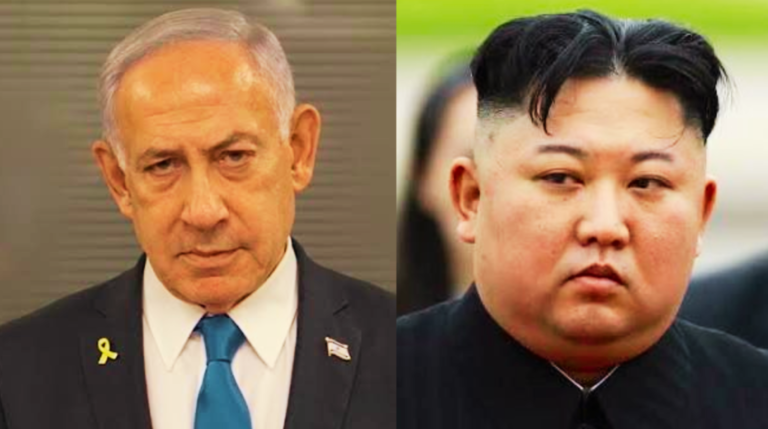




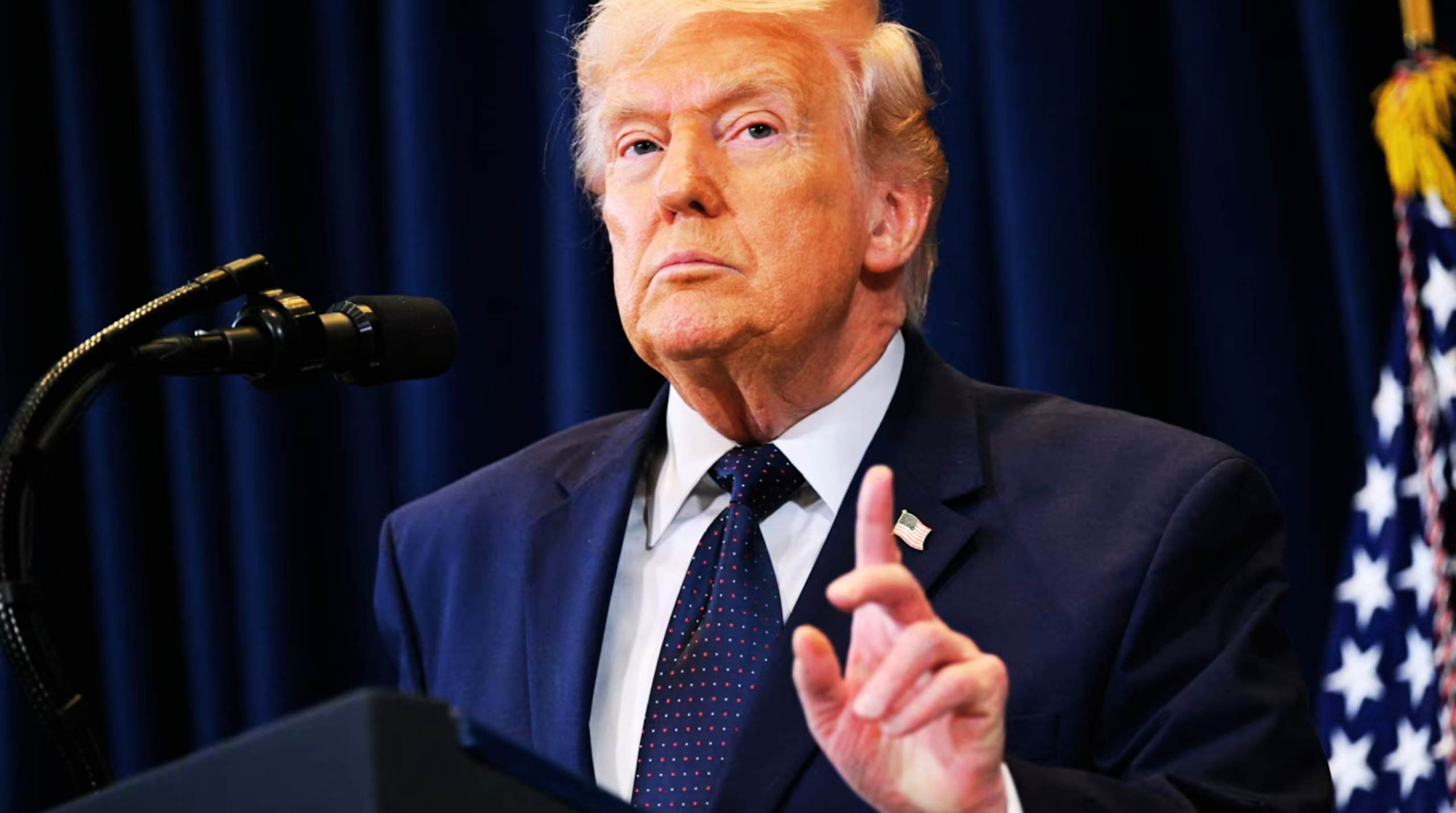
The topic Donald Trump Israel has drawn global attention following recent developments in the Middle East involving the United States, Israel, and Iran. Political decisions and military actions linked to these countries have sparked widespread discussion among world leaders, analysts, and the public.
Recent reports indicate that the United States and Israel have coordinated military actions targeting Iranian positions, escalating tensions in the region. The situation has triggered international concern because of its potential impact on global stability and energy markets.
U.S. President Donald Trump has repeatedly stated that his administration is committed to supporting Israel’s security while addressing threats posed by regional conflicts.
U.S.–Israel Relations Under Donald Trump
Relations between the United States and Israel have historically been strong, but they have taken on additional significance during the Trump administration.
Trump has consistently expressed support for Israel’s defense policies and security initiatives. His administration has also worked closely with Israeli leadership on diplomatic and military strategies in the region.
In recent months, cooperation between the two countries has intensified amid rising tensions involving Iran and other regional actors. Analysts note that the partnership between the U.S. and Israel plays a significant role in shaping Middle East politics.
The collaboration includes military coordination, intelligence sharing, and diplomatic efforts aimed at addressing security threats.
The Conflict Involving Israel and Iran
One of the most important developments connected to Donald Trump Israel news involves the conflict between Israel and Iran.
Military strikes carried out by Israel with support from the United States targeted Iranian military facilities and infrastructure. The operations were described as efforts to counter threats from Iran and its allied groups in the region.
Iran responded with missile and drone attacks targeting Israeli territory and U.S. bases in the region. The conflict quickly escalated into a wider regional confrontation involving multiple countries and armed groups.
The situation has caused significant concern among international observers because it risks expanding into a broader conflict affecting global security.
Trump’s Statements on the Ongoing Conflict
Donald Trump has publicly commented on the conflict several times, stating that the military campaign could end soon if certain conditions are met.
In recent remarks, he suggested that the outcome of the conflict and its conclusion would depend partly on decisions made jointly with Israeli leadership.
Trump also warned that further escalation by Iran could trigger stronger military responses from the United States and its allies.
These statements have drawn both support and criticism from political leaders and analysts who are debating the long-term impact of the conflict.
Impact on Global Politics and Energy Markets
The escalation of tensions in the Middle East has had immediate consequences beyond the region.
Energy markets have reacted strongly to the possibility of disruptions in oil supply routes, particularly in areas such as the Strait of Hormuz, which is a critical pathway for global oil shipments.
As a result, oil prices have experienced significant fluctuations, affecting economies worldwide.
Global stock markets have also reacted to the uncertainty surrounding the conflict. Investors and governments are closely monitoring the situation because prolonged instability in the region could have widespread economic consequences.
Diplomatic Efforts and International Reactions
The international community has responded to the developments with calls for restraint and diplomatic dialogue.
Several countries have urged both sides to avoid further escalation and seek peaceful solutions through negotiations.
Global organizations and regional leaders are also exploring diplomatic channels that could reduce tensions and prevent the conflict from spreading.
Meanwhile, political debates continue in many countries regarding the role of the United States and its alliance with Israel.
Trump’s Middle East Strategy
Donald Trump’s approach to the Middle East has focused on strengthening alliances with regional partners while confronting perceived threats from rival governments.
His administration has emphasized military readiness, diplomatic negotiations, and economic measures to address conflicts involving Israel and other allies.
Supporters of this strategy argue that strong alliances help maintain stability in the region.
Critics, however, argue that aggressive policies could increase the risk of prolonged conflict.
These debates highlight the complexity of international relations in one of the world’s most strategically important regions.
Future Outlook for the Region
The future of the Middle East remains uncertain as diplomatic efforts continue alongside military operations.
Political leaders, including Donald Trump and Israeli officials, have expressed hopes that the conflict could eventually reach a resolution through negotiations or strategic agreements.
However, analysts caution that long-standing political, religious, and territorial disputes may make a quick solution difficult.
The outcome of these developments could shape global politics for years to come.
Conclusion
The topic Donald Trump Israel reflects a complex and evolving situation involving international politics, military strategy, and global economic impacts.
Recent developments in the Middle East demonstrate how closely connected world events have become. Decisions made by major political leaders can influence not only regional stability but also global markets and diplomatic relations.
As the situation continues to unfold, governments and international organizations will likely play key roles in shaping the path toward peace or further confrontation.
For now, the world continues to watch closely as events involving the United States, Israel, and the wider Middle East develop.