



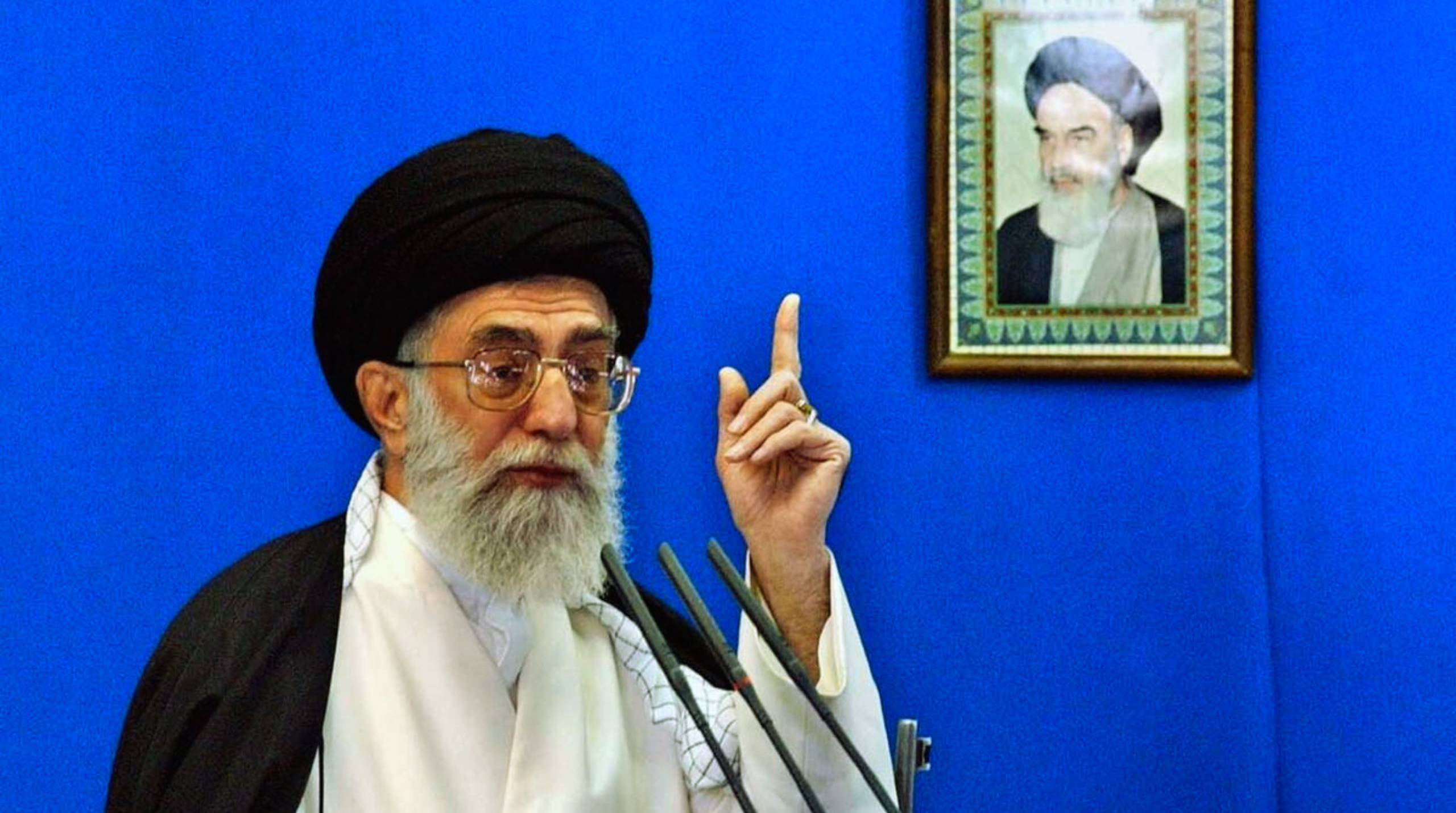
Iran is navigating a historic leadership transition after the reported death of Supreme Leader Ayatollah Ali Khamenei in a joint U.S.–Israeli airstrike on Tehran’s leadership complex. In the wake of this unprecedented event, Ayatollah Alireza Arafi, a senior Iranian cleric and member of the Guardian Council, has been appointed as part of a temporary leadership body tasked with steering the country until a new supreme leader is chosen.
Swift Constitutional Response Following Khamenei’s Death
With Iran’s highest office suddenly vacant, Tehran activated Article 111 of the Islamic Republic’s constitution, allowing for an interim Leadership Council to assume the duties of the Supreme Leader until a permanent successor is appointed. This transitional body comprises President Masoud Pezeshkian, Chief Justice Gholam-Hossein Mohseni-Ejei, and Ayatollah Alireza Arafi.
Arafi’s inclusion reflects his stature within Iran’s clerical and political hierarchy, having served on the Guardian Council, led seminaries nationwide, and been a member of the Assembly of Experts—the body responsible for selecting future supreme leaders.
Who Is Ayatollah Alireza Arafi?
Born in 1959 in Meybod, Iran, Ayatollah Alireza Arafi is an influential religious scholar and politician. He previously headed Iran’s Islamic seminaries and served as president of Al-Mustafa International University, a major religious educational institution focused on Islamic scholarship and international outreach.
Now elevated to the interim leadership body, Arafi carries significant responsibilities during a delicate period. While he does not hold the permanent title of Supreme Leader, his role within the transitional structure positions him at the core of the country’s constitutional governance until the Assembly of Experts convenes to elect a full-time successor.
Rumours and Unverified Reports
In the tense atmosphere of the ongoing conflict and leadership crisis, unverified social media claims have surfaced suggesting that Arafi was killed in new airstrikes just hours after his appointment. These claims have not been confirmed by Iranian state media or reputable international news agencies, and observers urge caution in interpreting uncorroborated reports.
What This Means for Iran and the Region
Khamenei’s death marks a profound turning point in the Islamic Republic’s history, leaving Iran without its longest-serving leader since the 1979 revolution. The interim Leadership Council now faces the twin challenges of maintaining domestic stability and navigating heightened regional tensions.
Global leaders and diplomats have closely watched the transition, with voices in Europe highlighting this period as a potential inflection point for Iran’s political future.
The absence of a clear long-term successor and the mixture of hardline and moderate influences within the interim leadership underscore the complexity of Iran’s political landscape in the months ahead.