



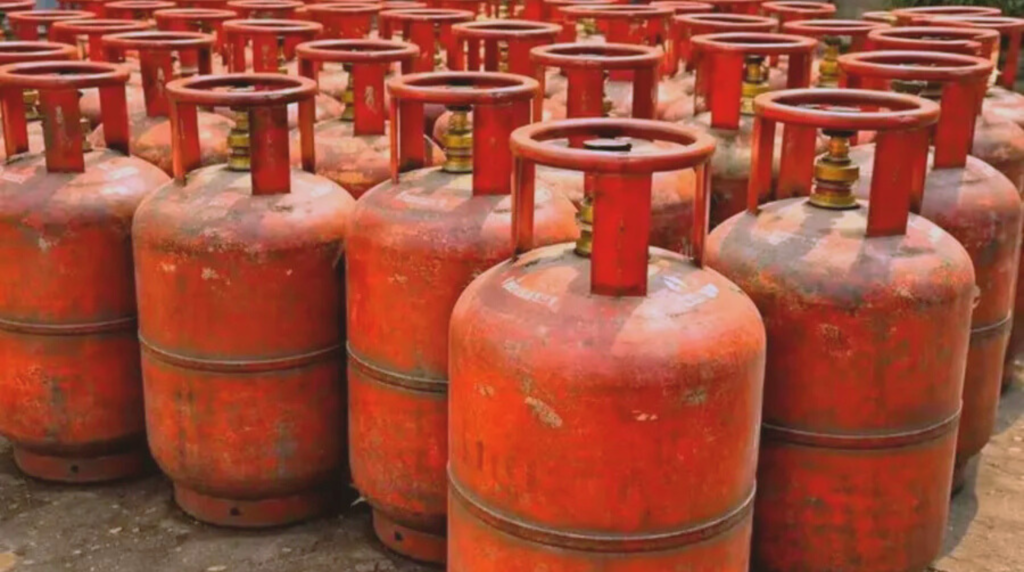
LPG Gas Cylinders: Latest Developments in India
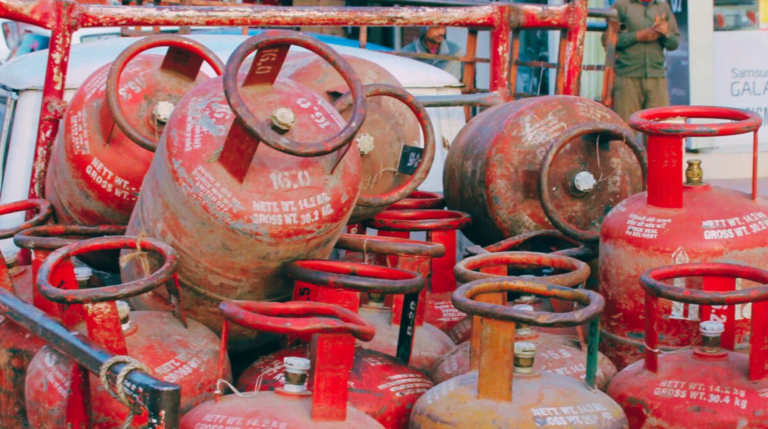
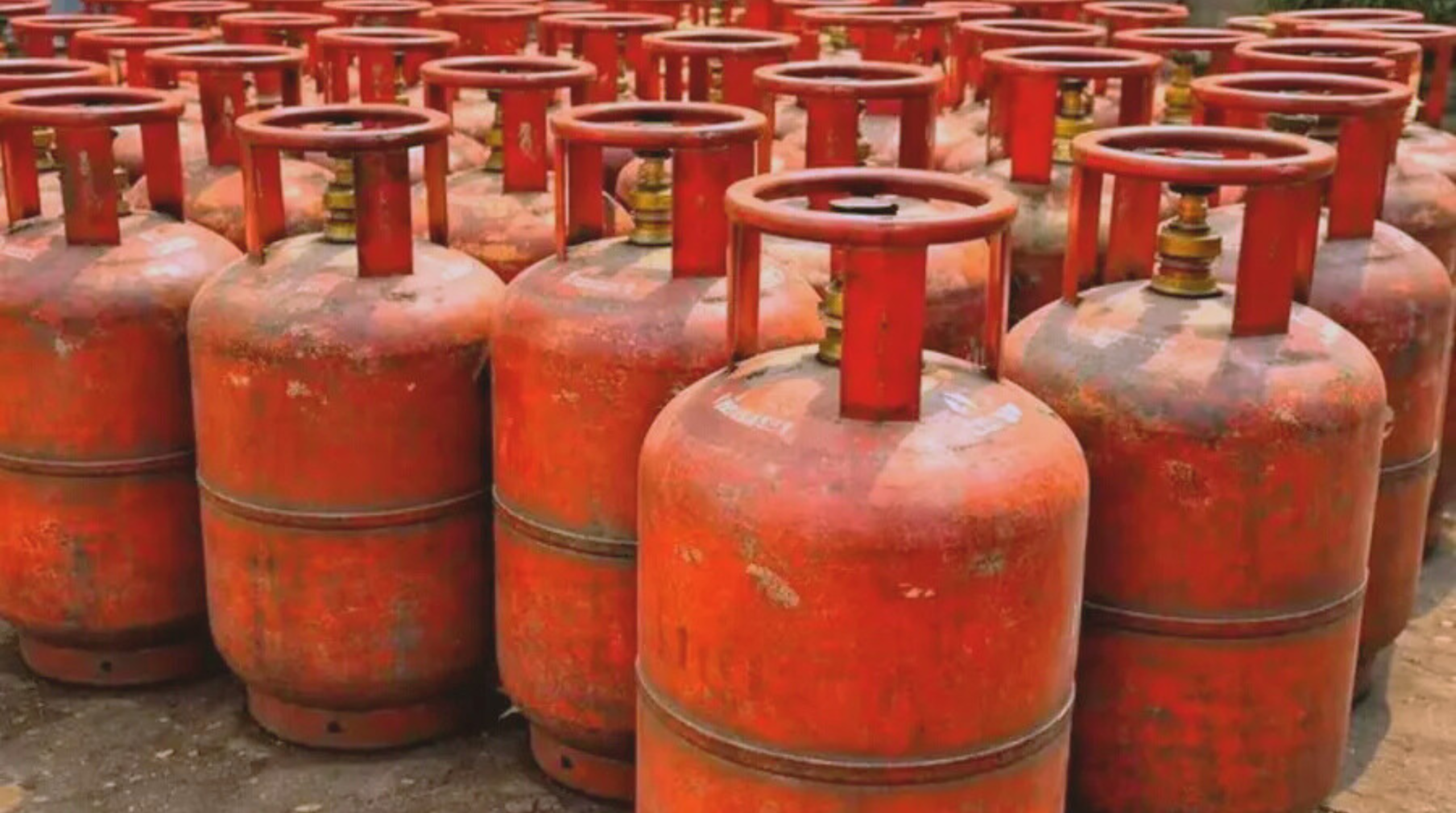
The discussion around LPG gas cylinders in India has intensified recently following reports of supply disruptions affecting several cities. Restaurants, small food vendors, and commercial establishments have raised concerns about difficulties in obtaining commercial gas cylinders.
According to recent reports, the shortage is largely linked to disruptions in global energy supply caused by geopolitical tensions in West Asia. These disruptions have affected shipping routes and LPG imports, which India heavily relies on to meet domestic demand.
India is the world’s second-largest importer of LPG, and demand for cooking gas continues to grow as households and businesses depend on it for daily cooking needs.
To manage the situation, the government has directed refineries and oil marketing companies to increase LPG production and prioritize domestic consumers.
LPG Gas Booking Rules and Changes
One of the important developments in the LPG sector is the change in LPG gas booking rules. Authorities have extended the waiting period between LPG bookings from 21 days to 25 days in order to prevent hoarding and black-market sales of cylinders.
This change was introduced after a surge in panic bookings in several cities where consumers rushed to refill their cylinders due to fears of shortage.
The revised booking rule applies mainly to domestic LPG cylinders supplied by companies such as:
- BPCL (Bharat Petroleum Corporation Limited)
- Indian Oil Corporation
- Hindustan Petroleum
These companies manage most of the LPG distribution network in India.
Gas Cylinder Shortage in India: What Is Happening?
Reports from multiple cities indicate that commercial LPG cylinder supplies have been affected more than domestic cylinders.
Restaurants and food vendors in cities such as Bengaluru, Mumbai, and Chennai have reported difficulties in obtaining commercial cylinders used for cooking in hotels and eateries.
Some restaurant owners say they only have enough LPG stock for a few days, raising fears that businesses may temporarily shut down if the supply disruption continues.
Industry groups representing restaurants have urged the government to ensure steady LPG supply for commercial establishments.
Impact on Restaurants and Small Businesses
The shortage of commercial gas cylinders has created significant challenges for businesses that depend on LPG for daily operations.
Hotels, restaurants, tea stalls, and roadside vendors rely heavily on LPG for cooking. When supply becomes limited, businesses are forced to reduce menu items or switch to alternative cooking methods.
Some restaurant associations have warned that the situation resembles the operational challenges businesses faced during pandemic lockdown periods.
Many establishments are now considering alternative energy solutions such as:
- Induction cookers
- Electric stoves
- Piped natural gas (PNG)
However, these alternatives may not fully replace LPG in high-volume commercial kitchens.
LPG Price Changes and Commercial Cylinder Costs
Another factor contributing to concern is the increase in LPG prices.
Recent revisions have raised the price of both domestic and commercial cylinders. Reports indicate that domestic cylinder prices increased by around ₹60, while commercial cylinders saw an increase of approximately ₹115.
These price hikes have affected businesses already dealing with supply shortages.
Restaurant owners say higher LPG costs could lead to increased food prices for consumers.
Role of BPCL and Other Oil Companies
Companies such as BPCL (Bharat Petroleum Corporation Limited) play a crucial role in the distribution of LPG cylinders across India.
These oil marketing companies operate gas agencies that handle LPG booking, delivery, and supply management for millions of households.
Customers can book LPG cylinders through multiple methods, including:
- Online booking via official portals
- Mobile applications
- SMS booking
- Calling gas agency customer service
BPCL and other companies have assured customers that domestic LPG supplies remain a priority and that efforts are being made to maintain stable distribution.
Government Measures to Address LPG Supply Issues
To stabilize LPG supply, the Indian government has taken several steps.
Authorities have invoked emergency measures to increase LPG production and redirect available gas toward household consumption.
The government has also asked refineries to boost domestic LPG output and explore alternative import sources to ensure energy security.
Additionally, officials are monitoring the situation to prevent panic buying and illegal cylinder trading.
These measures aim to ensure that households continue receiving cooking gas without interruption.
LPG Demand and India’s Energy Dependence
India’s demand for LPG has grown significantly over the past decade.
The expansion of government schemes promoting clean cooking fuel has increased the number of households using LPG cylinders.
As a result, the country consumes millions of tonnes of LPG every year.
However, domestic production meets only a portion of this demand, making India dependent on global LPG imports.
This reliance means that geopolitical events and global supply disruptions can influence LPG availability and prices.
Future Outlook for LPG Supply in India
Experts believe that LPG supply conditions could stabilize once global energy markets return to normal and shipping routes become less disrupted.
The government is also exploring strategies to diversify energy imports and expand domestic production.
In the long term, India is expected to increase the use of alternative energy sources such as natural gas and renewable energy to reduce dependence on imported fuels.
For now, authorities are focusing on maintaining a stable LPG supply for households and essential sectors.
Conclusion
The discussion around LPG gas cylinders in India highlights how global energy events can affect daily life and business operations.
While supply disruptions have raised concerns in several cities, the government and oil companies are taking steps to ensure that domestic LPG availability remains stable.
Changes in LPG booking rules, price revisions, and prioritization of household supply are part of efforts to manage the situation effectively.
Consumers and businesses are advised to stay informed through official announcements from oil marketing companies and government agencies.
As the energy situation evolves, continued monitoring and coordinated action will be essential to maintain reliable LPG supply across the country.