



Introduction: A Smarter Xiaomi Experience
The upcoming Xiaomi HyperOS 4.0 Android 17 update is expected to mark a major step forward for Xiaomi’s software ecosystem. After replacing MIUI with HyperOS, the company focused on performance, system efficiency, and cross-device integration. Now, with Android 17 as its base, the next version could refine that foundation with deeper AI features and improved system stability.
Xiaomi consistently ranks among the world’s top smartphone brands, according to IDC market reports. That means millions of devices — including the Xiaomi 14 lineup — could eventually benefit from this upgrade.
Let’s explore what makes this update important.
What’s New in Xiaomi HyperOS 4.0 Android 17?
Smarter AI Integration
Artificial intelligence is becoming central to modern smartphone software. With Android evolving rapidly through versions like Android 14 and Android 15, the next generation is expected to push AI even further.
In practical terms, users may see:
- More accurate app suggestions
- Context-aware notifications
- AI-assisted wallpaper generation
- Smarter voice assistant responses
- Better on-device processing for privacy
On-device AI means tasks are processed locally rather than always relying on the cloud — improving both speed and data security.
Performance & System Optimization
One major goal of HyperOS has been to reduce system weight compared to older MIUI builds. A modular architecture allows the system to allocate resources more efficiently.
With this update, improvements may include:
- Faster app launches
- Smoother animations
- Better RAM management
- Reduced background app activity
- Improved gaming stability
For users, that translates into fewer slowdowns and more consistent performance, especially on flagship and upper mid-range devices.
Battery Efficiency Improvements
Battery life remains one of the most searched smartphone concerns globally. Adaptive battery systems introduced in previous Android versions have already improved power management.
The new update is expected to enhance this further through:
- AI-driven background app control
- Smarter charging cycle protection
- Reduced standby drain
- Usage-based power learning
Google’s developer documentation has highlighted how adaptive systems can reduce unnecessary background processing, leading to noticeable battery improvements in real-world use.
Stronger Privacy & Security
Security continues to evolve with each Android generation. Building upon improvements seen in Android 16, the next version may introduce tighter permission management and improved encryption.
Expected enhancements include:
- Granular app permissions
- Advanced biometric authentication
- Improved malware detection
- Encrypted data storage
- Private space for sensitive apps
For users handling financial apps or confidential data, these improvements could make a significant difference.
For official Android updates and documentation, you can refer to:
https://developer.android.com
https://www.android.com/
Expected Release Timeline
Although Xiaomi has not officially confirmed dates, Android updates typically follow Google’s annual release cycle.
Projected schedule:
- Developer Preview: Mid 2026
- Beta Testing Phase: Late 2026
- Stable Global Rollout: Early 2027
Historically, Xiaomi begins rollout in China before expanding to global markets.
Eligible Devices (Expected)
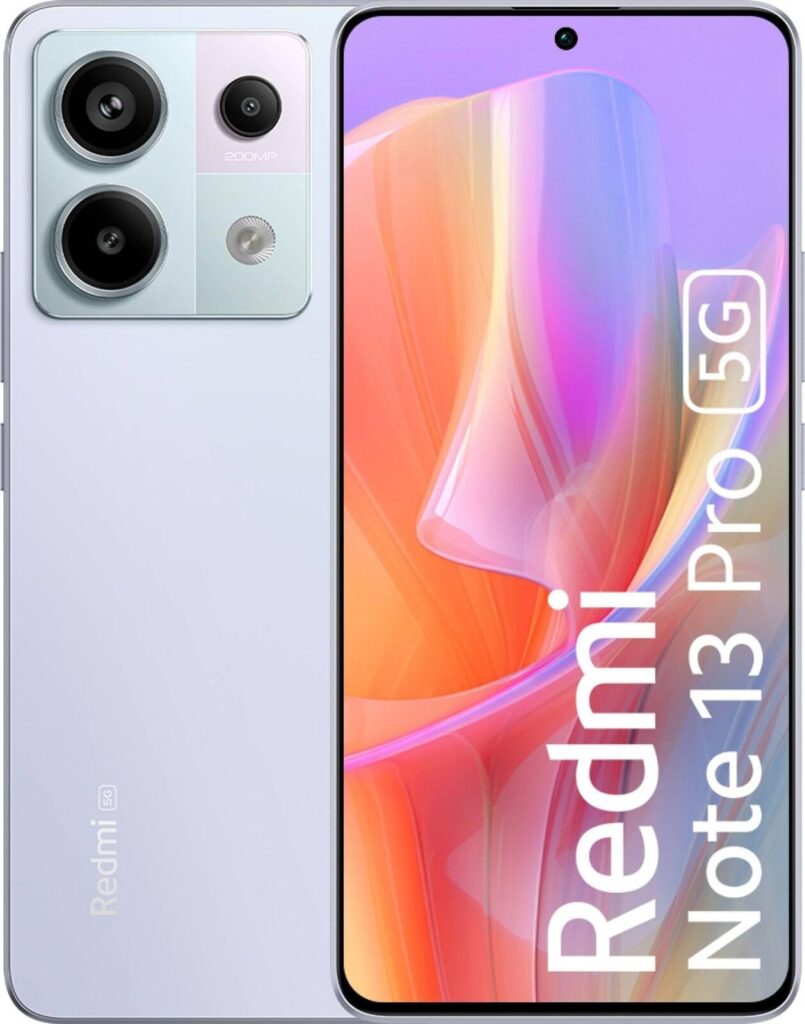
While the official list isn’t confirmed, devices likely to receive the update include:
- Xiaomi 14 Pro
- Redmi Note 13 Pro
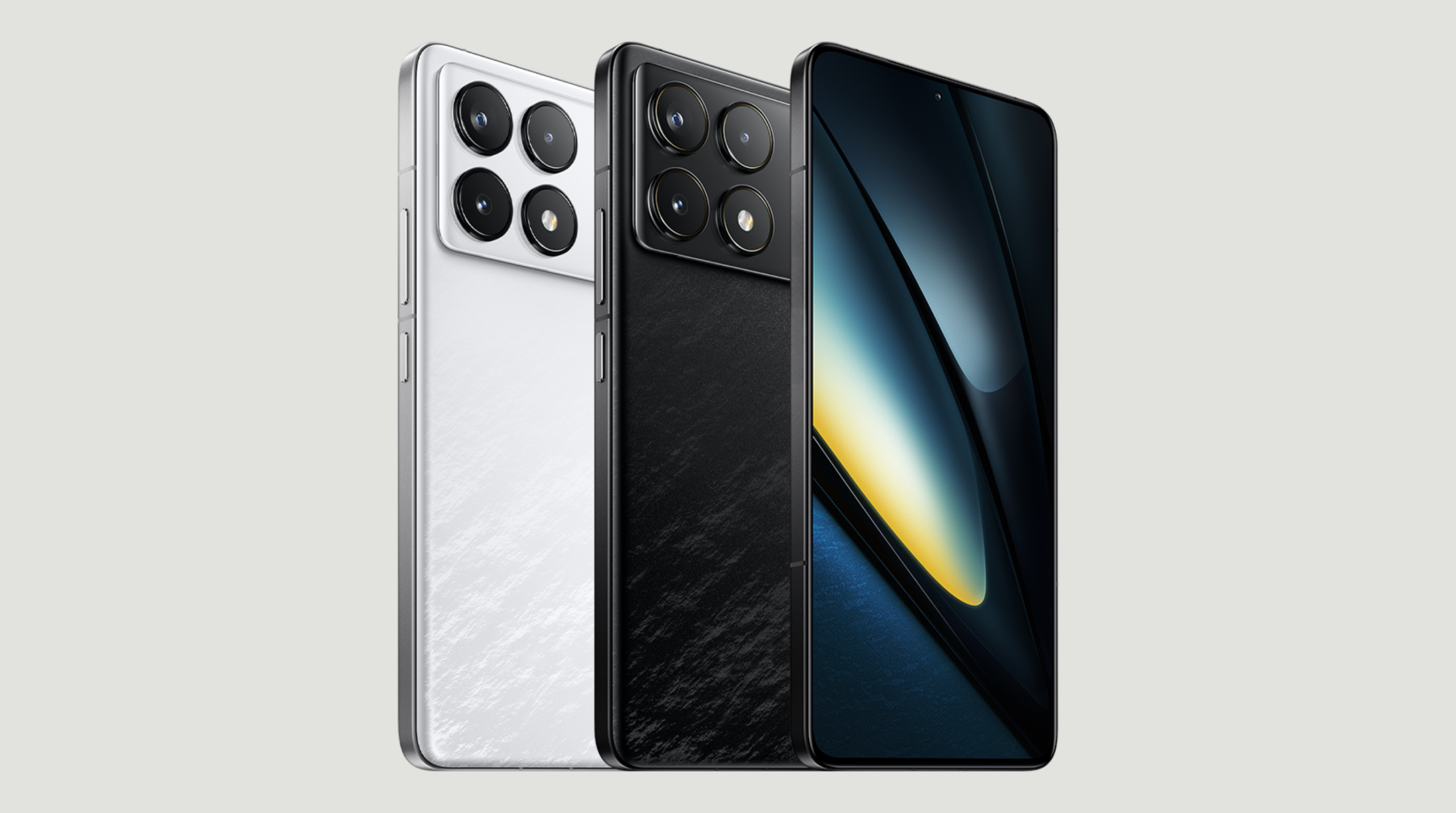
- POCO F6 Pro
- Xiaomi Pad 6
Generally, Xiaomi provides major Android upgrades to flagship models for 2–3 years, depending on region and policy.
How It Compares to MIUI
| Aspect | MIUI | HyperOS (Android 17 Base) |
| Architecture | Heavier framework | Lightweight modular design |
| AI Features | Limited integration | Deeper AI functionality |
| Ecosystem | Basic sync | Strong cross-device ecosystem |
| Battery | Standard optimization | Adaptive AI-based control |
| Security | Good | Enhanced privacy tools |
The shift from MIUI to HyperOS represents a long-term software strategy rather than a simple UI refresh.
Suggested Infographic for Your Blog
Create an infographic titled:
“What’s New in Xiaomi HyperOS 4.0 (Android 17)”
Include:
- AI improvements overview
- Performance comparison (MIUI vs HyperOS)
- Battery optimization flow
- Security upgrade highlights
- Expected rollout timeline
This improves user engagement and makes the content more mobile-friendly.
Final Thoughts
The next version of Xiaomi’s software appears focused on refinement rather than radical redesign. Smarter AI, better power efficiency, stronger privacy controls, and smoother performance are likely to define the experience.
If Xiaomi delivers on expectations, this update could strengthen its position as not just a hardware company but a serious ecosystem competitor in the Android space.
For users, the biggest benefits will likely be subtle but meaningful: smoother everyday performance, longer battery life, and smarter system intelligence.